

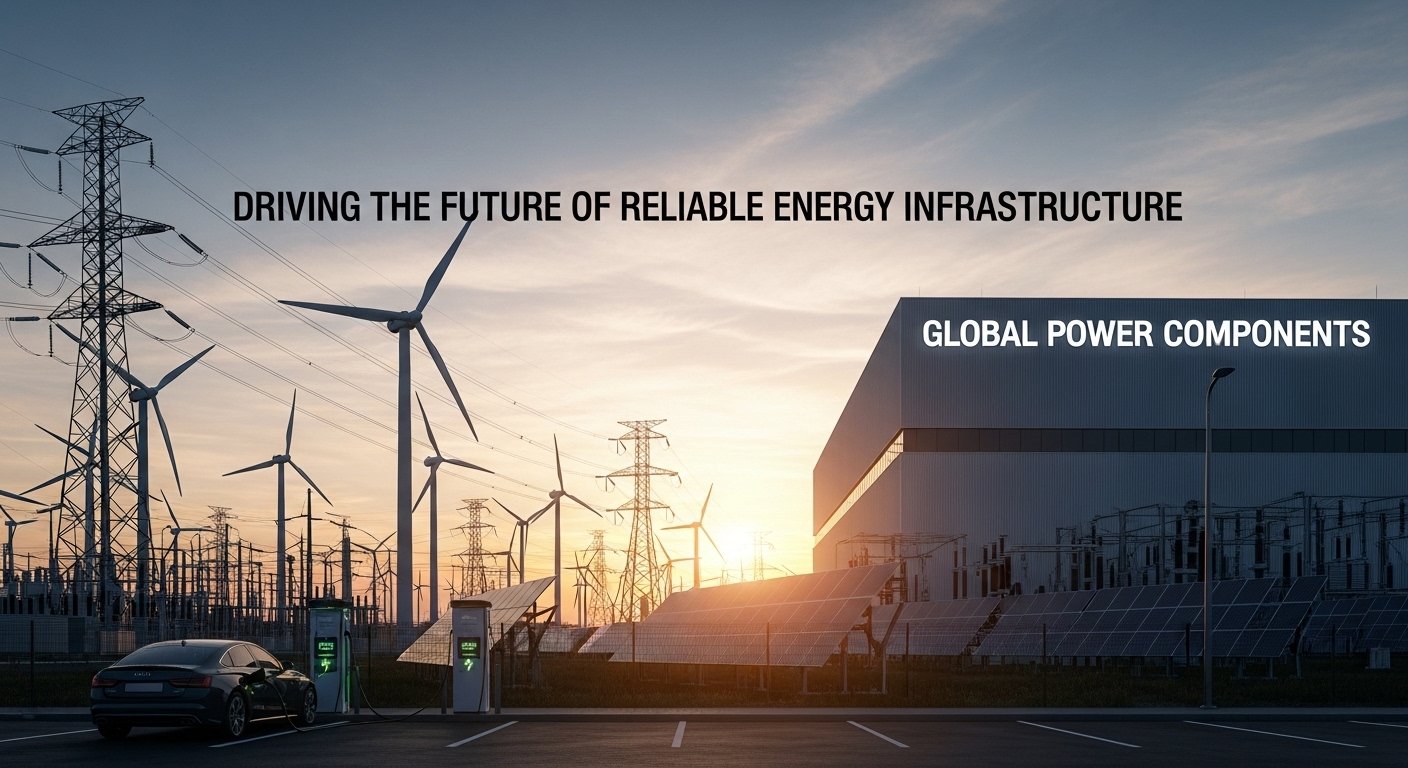
Global Power Components represents a critical force in the evolving world of electrical infrastructure and industrial energy systems. As industries expand, urban centers grow, and renewable energy becomes more mainstream, the need for dependable, scalable, and efficient power distribution solutions continues to rise. Global Power Components stands at the intersection of innovation and reliability, supporting utilities, manufacturing facilities, renewable energy plants, and commercial developments worldwide.
In today’s rapidly changing energy environment, power systems must deliver more than just electricity. They must ensure safety, adaptability, efficiency, and long-term sustainability. addresses these needs through advanced engineering, modular manufacturing processes, and compliance with international standards. The company’s influence extends across multiple sectors, helping shape the infrastructure that powers modern economies.
Understanding Global Power Components in Modern Energy Systems
The global energy landscape has undergone significant transformation over the last two decades. The integration of renewable energy sources, smart grids, and digital monitoring systems has increased complexity within electrical distribution networks. Global Power Components plays an essential role in supporting these advancements by manufacturing and assembling specialized power equipment.
Key areas where Global Power Components contributes include:
-
Custom electrical enclosures
-
Switchgear and control panels
-
Bus duct systems
-
Power distribution modules
-
Energy storage integration components
These elements form the backbone of electrical distribution systems in industrial plants, data centers, renewable facilities, and infrastructure projects.
Table: Core Applications of Global Power Components
| Sector | Application Type | Purpose | Benefits |
|---|---|---|---|
| Industrial Manufacturing | Custom Enclosures | Protect electrical equipment | Enhanced safety & durability |
| Renewable Energy | Power Integration Systems | Connect solar/wind to grid | Efficient energy transfer |
| Data Centers | Distribution Panels | Manage high load capacity | Reliability & uptime |
| Commercial Buildings | Switchgear Systems | Control & distribute power | Operational stability |
| Utilities | Bus Systems | High-capacity transmission | Reduced energy loss |
This diversified application demonstrates how Global Power Components supports both traditional and emerging energy sectors.
Manufacturing Excellence in Global Power Components
Manufacturing quality defines the success of any power infrastructure provider. Global Power Components relies on precision engineering, automated fabrication processes, and strict quality assurance protocols. Every product undergoes rigorous inspection before deployment, ensuring compliance with safety regulations and operational standards.
Engineering Standards and Compliance
Electrical infrastructure must adhere to international safety and performance guidelines. aligns with:
-
UL certifications
-
ISO quality management systems
-
IEC international standards
-
NEC electrical codes
Compliance ensures that systems operate safely under high voltage and high load conditions. This level of reliability builds trust with contractors, engineers, and industrial clients.
Advanced Fabrication Techniques
Modern fabrication technologies improve accuracy and scalability. integrates:
-
CNC machining
-
Robotic welding
-
Laser cutting
-
Powder coating systems
These technologies ensure precision, reduce waste, and enhance production efficiency.
Global Power Components and Renewable Energy Integration
Renewable energy projects depend on reliable integration equipment. Solar farms, wind parks, and battery storage systems require advanced electrical distribution solutions to connect clean energy to the grid.
supports renewable energy by manufacturing:
-
Inverter enclosures
-
Transformer housings
-
Battery storage cabinets
-
Grid-tie switchgear
Table: Renewable Energy Support Systems
| Renewable Source | Required Component | Function | Performance Impact |
|---|---|---|---|
| Solar Power | Inverter Enclosures | Protect power conversion units | Stable grid feed |
| Wind Energy | Control Cabinets | Manage turbine output | Consistent voltage |
| Battery Storage | Energy Storage Enclosures | Protect lithium systems | Enhanced safety |
| Hybrid Systems | Integrated Switchgear | Balance multiple inputs | Load optimization |
As governments promote sustainability initiatives, becomes increasingly vital in enabling renewable energy expansion.
The Role of Global Power Components in Industrial Growth
Industrial facilities operate on heavy electrical loads. Manufacturing plants, processing facilities, and logistics hubs require uninterrupted power supply to maintain productivity. Electrical failures can lead to financial losses and safety risks.
provides tailored systems that address:
-
High load capacity
-
Thermal management
-
Fault protection
-
Surge control
Customization and Scalability
No two industrial projects are identical. Custom fabrication allows systems to match specific operational requirements. From compact installations to large-scale industrial complexes, scalable designs ensure flexibility for future expansion.
Smart Technology Integration within Global Power Components
The digital transformation of energy systems introduces new demands. Smart grids, IoT monitoring devices, and predictive maintenance tools require compatible electrical infrastructure.
supports digital integration through:
-
Sensor-ready enclosures
-
Modular panel systems
-
Data-enabled switchgear
-
Remote monitoring compatibility
Smart integration enhances:
-
Real-time diagnostics
-
Energy efficiency tracking
-
Load balancing optimization
-
Preventive maintenance scheduling
These features reduce downtime and increase operational transparency.
Supply Chain and Global Distribution of Global Power Components
The demand for electrical infrastructure extends across continents. Urbanization, industrialization, and technological expansion fuel continuous growth in energy requirements.
operates within a global supply chain network that ensures:
-
Timely delivery
-
Standardized quality
-
Local regulatory compliance
-
Logistics efficiency
Table: Global Infrastructure Demand Trends
| Region | Primary Growth Driver | Infrastructure Need | Market Outlook |
|---|---|---|---|
| North America | Data Centers | High-density power systems | Strong growth |
| Europe | Renewable Energy | Grid integration systems | Expanding |
| Asia-Pacific | Industrialization | Large-scale enclosures | Rapid growth |
| Middle East | Urban Development | Commercial distribution | Stable growth |
| Africa | Electrification Projects | Utility-grade systems | Emerging potential |
This global perspective highlights the strategic importance of in supporting expanding infrastructure.
Safety Standards and Risk Management in Global Power Components
Electrical systems carry inherent risks. Proper design and installation reduce hazards such as:
-
Electrical fires
-
Equipment overheating
-
Short circuits
-
Arc flash incidents
Global Power Components emphasizes risk mitigation through:
-
Thermal management systems
-
Insulated enclosure design
-
Fire-resistant materials
-
Circuit protection mechanisms
Safety-focused engineering protects both personnel and assets.
Environmental Responsibility and Sustainable Manufacturing
Sustainability has become a priority across industries. incorporates environmentally responsible practices into manufacturing operations.
Key sustainability initiatives include:
-
Waste reduction programs
-
Energy-efficient production lines
-
Recyclable material usage
-
Reduced carbon footprint strategies
Table: Sustainability Measures in Manufacturing
| Initiative | Description | Environmental Benefit |
|---|---|---|
| Material Optimization | Efficient raw material usage | Reduced waste |
| Energy Monitoring | Smart energy tracking systems | Lower emissions |
| Eco-Coating | Environment-friendly finishes | Reduced toxicity |
| Recycling Programs | Metal and component recovery | Resource conservation |
By aligning with environmental goals, contributes to sustainable infrastructure development.
Technological Innovation Shaping Global Power Components
Innovation drives competitiveness in the energy sector. Research and development investments enable advanced designs that enhance efficiency and durability.
Recent technological trends influencings include:
-
Modular construction
-
High-density bus systems
-
Lightweight structural alloys
-
Integrated cooling solutions
Innovation improves installation speed, reduces footprint, and enhances long-term performance.
Market Challenges and Competitive Landscape
The power infrastructure industry faces challenges such as:
-
Raw material price volatility
-
Regulatory changes
-
Global supply chain disruptions
-
Increasing competition
addresses these challenges through strategic sourcing, continuous improvement processes, and customer-centric design solutions.
Economic Impact of Global Power Components
Reliable electrical infrastructure stimulates economic growth. Manufacturing plants, digital networks, healthcare facilities, and transportation systems depend on uninterrupted power supply.
Global Power Components contributes to:
-
Job creation
-
Industrial expansion
-
Infrastructure modernization
-
Renewable energy adoption
Investment in electrical infrastructure correlates directly with national development and economic resilience.
Future Outlook for Global Power Components
The global demand for power infrastructure continues to rise due to:
-
Electrification of transportation
-
Growth of artificial intelligence data centers
-
Expansion of renewable energy
-
Smart city development
is positioned to support these trends through scalable, efficient, and technologically advanced solutions.
Table: Future Growth Drivers
| Trend | Impact on Power Systems | Opportunity |
|---|---|---|
| Electric Vehicles | Increased grid demand | Charging infrastructure |
| Smart Cities | Integrated monitoring systems | Smart enclosures |
| AI Data Centers | High energy density | Advanced cooling |
| Microgrids | Decentralized power | Modular distribution |
The company’s adaptability ensures long-term relevance in an evolving energy ecosystem.
Conclusion: The Strategic Importance of Global Power Components
Global Power Components plays a foundational role in shaping modern electrical infrastructure. From renewable energy integration to industrial power distribution, its influence extends across critical sectors that sustain economic development and technological advancement.Through manufacturing excellence, compliance with global standards, and commitment to sustainability, demonstrates leadership in energy infrastructure solutions. As demand for reliable, scalable, and smart power systems grows, its contribution becomes increasingly vital.The future of global energy depends not only on generation but also on safe and efficient distribution. remains central to building resilient infrastructure that supports progress, innovation, and sustainable growth worldwide.